


Hurricane season in Hawaii runs from June 1 through November 30. Don't wait for a storm to appear in the forecast—prepare your family, home and pets now.
Key Takeaway
Hawaii recommends preparing to be self-sufficient for at least 14 days. Build your emergency supply kit before a storm threatens the islands, secure your home and yard, and make sure important documents and emergency contacts are readily accessible.
If a storm is approaching: Prioritize securing your property, charging devices, fueling vehicles, checking medications and supplies, documenting your home, and following official weather and emergency alerts.
Stock Your Disaster Kit
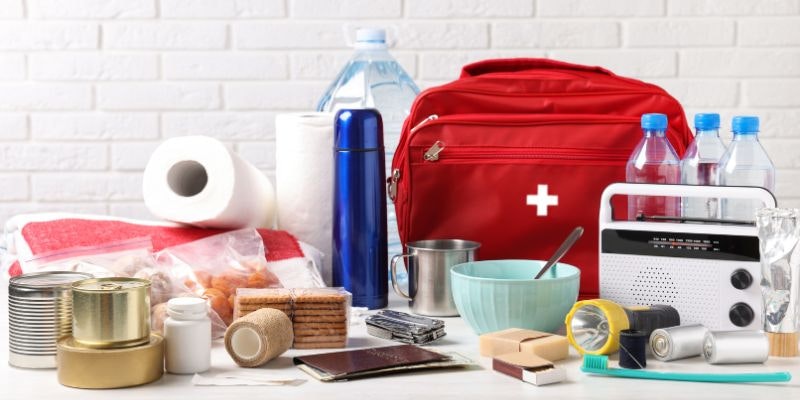
Assemble a disaster kit and keep it somewhere easy to access. Plan for at least 14 days of supplies for everyone in your household.
Water
A good starting point is 1 gallon of water per person, per day.
Nonperishable Food
- Canned soups and vegetables
- Dried fruits and jerkies
- Crackers and peanut butter
- Granola bars
Food Preparation & Storage
- Plates, utensils, napkins and paper towels
- Manual can opener
- Portable cooking appliances
- Ice chest and blue ice bags
- Plastic storage bags and food containers
Clothing & Comfort
- Warm clothing
- Waterproof hooded jackets
- Undergarments and warm socks
- Comfortable shirts, pants and shorts
- Shoes and slippers
- Blankets and sleeping bags
- Pillows and air mattresses
- Trash bags
Emergency Essentials
- Cell phones, tablets, laptops and chargers
- Flashlights and extra light bulbs
- Portable radio
- Batteries in commonly used sizes
- Multipurpose tools
- Cash in small denominations stored in waterproof bags
- Matches and lighters
- Duct tape or masking tape
- Reading and writing materials
- Whistle
Personal Hygiene
- Toilet paper and facial tissues
- Feminine hygiene products
- Laundry bags and soap
- Hand sanitizer and sanitary wipes
- Toothbrush and toothpaste
- Deodorant
- Brush and comb
- Special items for infants, elderly household members and people with special needs
Medical Needs
- First aid kit
- Water purification kit
- Prescription medicines
- Face masks
- Eyeglasses and other essential vision supplies
- Insect repellent
Children's Needs
- Child-safe sanitation and hygiene items
- Formula and food
- Diapers and wipes
- Clothing
- Blanket and bedding
- Quiet games and toys
Pet Care
- Portable pet carrier
- Leash and harness
- Identification tags
- Food, water and bowls
- Waste bags and wet wipes
Important Documents
- Copies of passports, driver's licenses, birth certificates and marriage certificates
- Deed to your home, vehicle registration, insurance policies and inventories
- Copies of family and pet photos in case anyone becomes separated
- Emergency contact list
- Waterproof, sealable document holders
- Flash drive containing important documents
14-Day Preparedness Checklist
Before hurricane conditions threaten Hawaii, make sure your household has:
- 14 days of water and nonperishable food
- Essential medications and first-aid supplies
- Supplies for children, elderly household members and pets
- Charged devices, flashlights, batteries and a portable radio
- Copies of important documents stored safely
- A plan for communicating and staying together if household members become separated
Prepare Your Home and Yard
Your emergency preparations should extend beyond your disaster kit. Take steps now to reduce potential damage and secure objects around your property.
- Trim dead or weak tree branches.
- Consider covering windows and doors with treated plywood.
- Use appropriate hurricane clips and straps to help secure your roof.
- Secure lawn furniture, trash cans and other outdoor objects.
- Ensure windows are closed and shut tightly.
- Clean gutters and downspouts.
- Fuel up vehicles and generators.
- Document your home and belongings with photos/video.
Know Where to Get Official Information
During an emergency, rely on official sources for current forecasts, watches, warnings, evacuation information and preparedness guidance.
NOAA Central Pacific Hurricane Center
Hawaii Emergency Management Agency
Hawaii Hurricane Evacuation Shelter Map
Hurricane Preparedness FAQ
How much water should I have on hand?
Plan for at least 1 gallon of water per person per day. For a 14-day supply, that means 14 gallons per person, before accounting for additional water needs for pets or other household uses.
When should I prepare my home?
Prepare before a storm is approaching. Securing outdoor items, trimming weak branches and addressing vulnerable areas of your home is much easier when weather conditions are calm.
What should I do for my pets?
Include pets in your emergency plan. Keep a carrier, leash or harness, identification tags, food, water, bowls and waste supplies with your emergency kit.
Where can I find the latest hurricane information?
Check official sources such as the Central Pacific Hurricane Center and Hawaii Emergency Management Agency for current alerts, forecasts, evacuation information and emergency guidance.
Prepare Now. Be Ready When It Matters.
A little preparation now can make a big difference when severe weather threatens. Review your household plan, refresh your emergency supplies and make sure everyone knows what to do.
Visit Ready.govDisclaimer: This article is provided for general informational purposes and is not a substitute for guidance from emergency management officials, weather authorities or other qualified professionals. Emergency conditions and official recommendations can change. Always follow current instructions from local and state authorities, including evacuation orders and shelter guidance.